
























Rummy Gold Casino positions itself as a hybrid gaming environment where traditional card gameplay intersects with modern online casino infrastructure. Unlike generic platforms that rely purely on slots or table games, this ecosystem is structured around rummy mechanics, real-money tournaments, and layered user progression systems. From a UX perspective, the platform is engineered to reduce onboarding friction while maintaining compliance with Indian gaming expectations.
The first interaction most users experience is the streamlined Sign up process, which prioritizes minimal data input and rapid account activation. This approach is consistent with mobile-first markets such as India, where onboarding speed directly impacts retention. After registration, the system transitions users into a guided interface that introduces wallet functionality, table selection, and entry-level contests.
From a structural standpoint, the homepage acts as a control hub. It aggregates navigation paths into tournaments, casual play, promotional campaigns, and account settings. The layout is intentionally hierarchical, ensuring that first-time users can distinguish between skill-based rummy tables and chance-driven casino content such as Slots without confusion.
| Platform Element | Function | User Impact | Reference |
|---|---|---|---|
| Account System | User registration and identity verification | Fast onboarding and compliance | RummyCircle |
| Game Lobby | Access to rummy tables and casino games | Centralized navigation | A23 Rummy |
| Wallet Module | Deposit, withdraw, and bonus tracking | Financial transparency | Paytm |
| Tournament Engine | Multi-table competitions | Higher engagement | First Games |
The platform’s architecture is not random; it reflects a deliberate segmentation between casual users and competitive players. Casual users are directed toward low-stakes tables and quick-play formats, while experienced players are funneled into tournament ladders and leaderboard systems. This dual-path structure ensures that different player profiles can coexist without degrading overall experience.
Another notable feature is the integration of adaptive UI elements. The system adjusts game recommendations based on session history, bet size, and frequency of play. This creates a semi-personalized environment that increases session duration without overwhelming the user with irrelevant options.
Gameplay Mechanics and User Flow
At its core, Rummy Gold Casino operates on a skill-based model. Unlike purely luck-driven environments, rummy gameplay requires pattern recognition, probability tracking, and decision-making under uncertainty. This positions the platform differently from traditional casino sites that emphasize randomness.
The gameplay loop follows a predictable structure. A user selects a table, joins with a predefined stake, and participates in rounds that involve card grouping and sequence formation. The system automatically validates moves, reducing the cognitive load associated with rule enforcement. This automation is critical for maintaining game speed and minimizing disputes.
To maintain engagement, the platform incorporates layered incentives. These include daily missions, entry bonuses, and loyalty rewards. The Bonus system is not isolated; it is embedded within gameplay progression, meaning users unlock rewards through activity rather than passive claims.
From a behavioral design standpoint, the use of short game cycles is intentional. Quick rounds allow users to experience frequent outcomes, which increases perceived momentum. This is particularly effective in mobile environments where session times are fragmented.
The diagram illustrates how gameplay composition is distributed across different mechanics. Skill-based elements dominate, reinforcing the platform’s positioning as a competitive environment rather than a purely luck-based casino.
Another key observation is the transition between game types. Users can move from rummy tables to broader Games categories without leaving the platform. This reduces churn and increases cross-engagement between verticals.
The presence of an optional Apk version further reinforces accessibility. In markets where app store restrictions exist, direct APK distribution ensures uninterrupted availability. The installation process is straightforward and optimized for low-end Android devices, which is critical for broader market penetration in India.
Financial Systems and Transaction Flow
The financial infrastructure of Rummy Gold Casino is designed to balance speed, security, and regulatory alignment. Deposits are processed through widely recognized Indian payment systems, including UPI, wallets, and prepaid instruments. This ensures compatibility with local user habits.
The Login process is directly tied to financial access. Once authenticated, users gain entry to the cashier module, where all balance-related actions are centralized. This includes deposits, withdrawals, and bonus tracking.
From a systems perspective, the wallet is segmented into multiple balances. These typically include real cash, bonus funds, and winnings. This separation ensures clarity and prevents misuse of promotional credits.
| Payment Method | Processing Speed | Fees | Reference |
|---|---|---|---|
| UPI | Instant | Low | NPCI |
| Paytm Wallet | Instant | Low | Paytm |
| Bank Transfer | 1–3 Days | Variable | RBI |
| Prepaid Cards | Instant | Medium | MobiKwik |
The transaction flow is deliberately simplified. Users select a method, input an amount, and confirm the payment. The system automatically validates limits and applies any relevant promotional conditions.
Security is enforced through encryption protocols and session monitoring. Suspicious activity triggers verification checks, ensuring that financial operations remain protected.
Tournament Systems and Competitive Structure
Rummy Gold Casino extends beyond casual gameplay by introducing a layered tournament ecosystem that functions as the core retention engine. Unlike static table formats, tournaments introduce time-bound competition, prize pooling, and ranking systems that create measurable progression for players.
The tournament architecture is segmented into Sit & Go events, scheduled multi-table tournaments, and leaderboard-based competitions. Each format serves a distinct behavioral purpose. Sit & Go events provide immediate entry and fast resolution, while scheduled tournaments build anticipation and structured engagement. Leaderboards, on the other hand, operate as long-term incentive systems that reward consistent participation.
From a systems design perspective, the platform ensures that entry barriers remain flexible. Low-stakes tournaments allow new users to participate without significant financial exposure, while high-stakes events cater to experienced players seeking higher returns. This dual-layer model reduces churn by accommodating varying risk tolerances.
| Tournament Type | Entry Level | Duration | Player Segment | Reference |
|---|---|---|---|---|
| Sit & Go | Low | Short | Beginners | A23 Rummy |
| Scheduled Tournaments | Medium | Fixed Time | Regular Players | RummyCircle |
| Leaderboard Events | Variable | Ongoing | High Activity Users | First Games |
| High-Stakes Tables | High | Flexible | Advanced Players | MPL |
A critical observation is how the system balances randomness with skill reinforcement. While card distribution remains inherently random, long-term performance in tournaments is influenced by decision quality, discard strategy, and probability tracking. This aligns the platform closer to competitive gaming than pure gambling.
The integration of rewards into tournament structures is also deliberate. Instead of isolating promotions, the platform embeds incentives directly into competition. This ensures that rewards feel earned rather than externally injected.
Platform Features and User Experience Optimization
Rummy Gold Casino is built with a mobile-first philosophy, and this is reflected in both interface design and feature prioritization. The navigation system minimizes depth, allowing users to access key sections within two to three interactions. This is particularly important in markets where users prefer quick sessions over prolonged browsing.
The App experience, whether accessed via browser or installation, is optimized for performance stability. Load times are reduced through lightweight assets, and gameplay transitions are designed to be seamless. The interface avoids unnecessary animations, focusing instead on clarity and responsiveness.
From a UX engineering standpoint, the platform uses contextual prompts. For example, users who frequently play low-stakes games are presented with similar tables, while high-frequency users are directed toward tournaments or higher-value contests. This adaptive logic reduces decision fatigue and improves engagement efficiency.
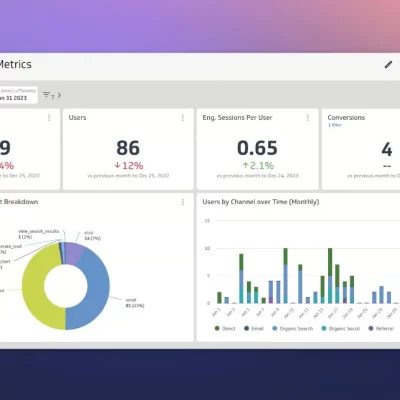
The chart demonstrates how user engagement is distributed across different platform features. Mobile gameplay dominates, confirming the importance of optimized performance and accessibility.
Another important aspect is session continuity. The platform allows users to resume interrupted games, reducing frustration caused by connectivity issues. This is particularly relevant in regions with inconsistent network stability.
Security, Fairness, and Compliance
Security and fairness are foundational to maintaining trust in any real-money gaming platform. Rummy Gold Casino implements multiple layers of protection, including encrypted data transmission, secure authentication protocols, and continuous monitoring of gameplay activity.
The fairness model relies on algorithmic card distribution systems designed to prevent manipulation. These systems are periodically tested to ensure compliance with expected randomness standards. While users may perceive patterns, the underlying mechanics remain statistically balanced.
In addition to technical safeguards, the platform incorporates responsible gaming measures. These include deposit limits, session reminders, and self-exclusion options. Such features align with broader industry practices and help mitigate excessive play.
| Security Feature | Purpose | User Benefit | Reference |
|---|---|---|---|
| SSL Encryption | Protect data transmission | Secure transactions | CERT-In |
| KYC Verification | Identity confirmation | Fraud prevention | RBI |
| Fair Play Algorithms | Random card distribution | Game integrity | IGI |
| Responsible Gaming Tools | Control user behavior | Safer gameplay | AIGF |
The presence of these systems is not merely regulatory; it directly impacts user perception. Platforms that visibly enforce fairness and security tend to retain users longer, as trust becomes a competitive advantage.
Game Portfolio and Content Distribution
Rummy Gold Casino operates with a dual-layer content strategy that combines traditional rummy gameplay with extended casino verticals. This approach allows the platform to diversify engagement while maintaining its identity as a skill-based gaming hub. The primary focus remains on rummy formats such as Points Rummy, Pool Rummy, and Deals Rummy, each structured to appeal to different levels of player commitment and session duration.
Points Rummy is optimized for quick sessions and immediate outcomes, making it suitable for users who prefer rapid gameplay cycles. Pool Rummy introduces elimination mechanics, extending session duration and increasing strategic depth. Deals Rummy, on the other hand, operates with fixed rounds, requiring players to adapt to evolving game states.
Beyond rummy, the platform expands into broader casino categories. This includes digital card games, RNG-based titles, and lightweight entertainment formats. While these additions are secondary, they play a critical role in user retention by offering variety and reducing monotony.
| Game Category | Type | Session Length | Skill Dependency | Reference |
|---|---|---|---|---|
| Points Rummy | Card Game | Short | High | RummyCircle |
| Pool Rummy | Card Game | Medium | High | A23 Rummy |
| Deals Rummy | Card Game | Long | High | First Games |
| Casino Titles | RNG-Based | Variable | Low | MPL |
The diversification into casino-style content is not intended to replace rummy but to complement it. Users who complete a rummy session are often redirected toward alternative content, creating a loop that extends overall platform engagement.
From a structural standpoint, the game lobby is segmented to prevent cognitive overload. Categories are clearly defined, and filters allow users to refine their choices based on stake level, format, and duration. This level of organization is essential for maintaining usability as the content library expands.
Monetization Model and Incentive Design
The monetization framework of Rummy Gold Casino is constructed around micro-transactions, tournament entry fees, and performance-based rewards. Unlike traditional casinos that rely heavily on house edge, this model emphasizes participation and competition.
Entry fees for rummy tables and tournaments represent the primary revenue stream. A small percentage is retained by the platform, while the remainder forms the prize pool. This structure aligns the platform’s interests with user activity rather than direct loss-based profit.
The Bonus system plays a secondary but important role. It is designed to incentivize deposits and sustained engagement without destabilizing the economic balance. Bonuses are typically tied to wagering requirements or gameplay milestones, ensuring that they contribute to overall activity rather than immediate withdrawal.
The diagram highlights how revenue and engagement are distributed across different monetization channels. Entry fees dominate, reinforcing the platform’s reliance on active participation rather than passive betting.
Another layer of monetization is behavioral. The system encourages repeated play through streak rewards, loyalty tiers, and time-based incentives. These mechanisms are subtle but effective, as they create a sense of progression without overtly pressuring the user.
Retention Systems and Player Lifecycle
Retention is not treated as a single feature but as a continuous process embedded across the platform. Rummy Gold Casino uses multiple mechanisms to ensure that users remain engaged over extended periods.
One of the primary tools is the lifecycle progression model. New users are introduced to low-risk environments, gradually transitioning into more competitive formats as they gain experience. This reduces early churn and builds confidence.
The FAQ section plays a functional role in retention by reducing uncertainty. Clear explanations of rules, payments, and gameplay mechanics minimize friction and prevent user frustration. While often overlooked, this informational layer is critical for maintaining trust.
Another retention driver is communication. The platform uses notifications to inform users about tournaments, rewards, and account activity. These messages are timed to align with user behavior patterns, increasing the likelihood of re-engagement.
| Retention Mechanism | Function | Impact | Reference |
|---|---|---|---|
| Daily Rewards | Encourage regular play | Higher frequency | First Games |
| Loyalty Programs | Reward long-term users | Increased retention | RummyCircle |
| Push Notifications | Re-engage inactive users | Return sessions | MPL |
| Support System | Resolve issues quickly | User satisfaction | A23 Rummy |
A final observation relates to lifecycle stability. Platforms that successfully integrate onboarding, engagement, and retention systems tend to create self-sustaining user ecosystems. Rummy Gold Casino demonstrates this by linking each stage of the user journey into a cohesive structure.
Mobile Strategy and Platform Accessibility
Rummy Gold Casino is engineered with a mobile-first architecture, reflecting the dominant usage patterns in the Indian gaming market. The majority of users access the platform via smartphones, which necessitates a system optimized for limited bandwidth, variable device performance, and short interaction cycles.
The mobile ecosystem is divided into two primary access points: browser-based play and the dedicated Apk application. The APK route is particularly significant in regions where app store distribution is restricted or inconsistent. It allows the platform to maintain direct control over updates, performance optimization, and feature deployment without relying on third-party approval processes.
From a technical perspective, the application is designed to minimize latency. Game assets are compressed, server calls are optimized, and session states are preserved to prevent disruption during connectivity fluctuations. This is critical in ensuring uninterrupted gameplay, especially during competitive rummy sessions.
Another important component is adaptive rendering. The interface dynamically adjusts to different screen sizes and resolutions, ensuring that card layouts, controls, and navigation elements remain accessible. This contributes to usability consistency across a wide range of devices, from entry-level smartphones to high-end models.
The platform also integrates lightweight caching mechanisms. Frequently accessed elements such as game lobbies and user dashboards are stored locally, reducing load times and improving responsiveness. This approach directly impacts user satisfaction, particularly in environments with slower internet speeds.
Security and account synchronization are also central to the mobile strategy. The platform maintains encrypted communication between devices and servers, ensuring that user progress, wallet balances, and session activity remain consistent across multiple login environments. This synchronization allows players to transition seamlessly between browser and Apk access without losing continuity. Additionally, push notification systems are integrated to deliver real-time updates about tournaments, promotional events, and account activity, increasing engagement while maintaining a responsive and personalized mobile experience.
Ecosystem Scalability and Long-Term Positioning
Rummy Gold Casino is structured to support long-term scalability through modular system design. Each component—game engine, payment system, tournament framework, and user interface—operates semi-independently, allowing updates and expansions without disrupting the entire platform.
This modularity enables rapid integration of new features. For example, additional game formats or promotional systems can be introduced without requiring a complete system overhaul. This flexibility is essential in a competitive market where user expectations evolve quickly.
The inclusion of Links within the platform’s ecosystem also plays a strategic role. These connections guide users toward relevant sections, promotional offers, and informational resources, creating a cohesive navigation experience. Rather than acting as isolated pages, different sections of the platform are interconnected to support continuous user flow.
From a market positioning standpoint, the platform occupies a hybrid space between skill-based gaming and casino entertainment. This dual identity allows it to attract a broader audience while maintaining a core focus on rummy gameplay.
| Scalability Component | Function | Long-Term Benefit | Reference |
|---|---|---|---|
| Modular Architecture | Independent system updates | Faster feature deployment | NPCI |
| Cloud Infrastructure | Dynamic resource allocation | Stable performance | RBI |
| Data Analytics | User behavior tracking | Improved personalization | AIGF |
| Content Expansion | New games and features | Higher retention | First Games |
The scalability model ensures that the platform can handle increased user loads without performance degradation. This is particularly important during peak activity periods, such as large tournaments or promotional campaigns.
Strategic Advantages and Market Differentiation
Rummy Gold Casino differentiates itself through a combination of gameplay focus, system design, and user-centric features. Unlike platforms that rely solely on chance-based mechanics, it emphasizes skill, which appeals to a more analytical audience.
One of the key advantages is the integration of competitive structures. Tournaments, leaderboards, and progression systems create a sense of achievement that extends beyond individual sessions. This transforms gameplay from a series of isolated events into a continuous experience.
The Login system contributes to this continuity by maintaining persistent user states. Returning users can resume activity without friction, access their history, and continue progressing within the platform’s ecosystem.
Another differentiating factor is transparency. Clear presentation of rules, financial systems, and reward structures reduces ambiguity. This is particularly important in markets where user trust can significantly influence platform adoption.
From a competitive standpoint, the platform’s ability to combine accessibility with depth is notable. New users can quickly understand basic mechanics, while experienced players can engage with more complex strategies and higher-stakes environments.
Final Structural Summary and Platform Evaluation
Rummy Gold Casino demonstrates a cohesive integration of gameplay, financial systems, and user experience design. Each component is aligned to support a specific stage of the user journey, from onboarding to long-term retention.
The homepage functions as more than an entry point; it is a centralized interface that connects all operational layers of the platform. By consolidating navigation, financial controls, and game access into a single environment, the platform reduces complexity and improves usability.
The inclusion of diverse gaming options, structured tournaments, and adaptive systems ensures that users remain engaged over time. Combined with robust security measures and scalable infrastructure, this creates a stable and reliable environment for real-money gaming.
From an analytical perspective, the platform’s strength lies in its balance. It does not overemphasize any single element but instead integrates multiple systems into a unified structure. This balance is essential for sustaining growth and maintaining user satisfaction in a competitive market.
Overall, Rummy Gold Casino can be characterized as a technically structured, user-focused platform that leverages both skill-based gameplay and modern digital infrastructure to deliver a consistent and scalable gaming experience.





















Comments